Things to Do in Monrovia in November
November weather, activities, events & insider tips
Low Season · Budget Friendly
November Weather in Monrovia
Long-run averages for November
86°F (30°C)
High Temp
74°F (23°C)
Low Temp
9.3 inches (236 mm)
Rainfall
86%
Humidity
10
Sunny-Day UV
⚠ November is the tail end of the rainy season, and while rainfall drops sharply from October's totals, heavy afternoon downpours still occur regularly and can flood low-lying roads within minutes. Avoid driving through standing water, as depth is impossible to gauge on unpaved surfaces. Turn around.
⚠ Mosquito populations peak in the weeks following the rainy season due to standing water across the city. Malaria is endemic in Monrovia and risk is elevated in November. Anti-malarial prophylaxis, DEET repellent, and sleeping under treated nets are all essential, not precautionary. Take this seriously.
⚠ Rip currents along Monrovia's Atlantic beaches intensify during the seasonal transition. November surf at unguarded beaches can be dangerously strong, and there are no lifeguard services. Swim only where locals swim, and never alone. Respect the water.
Making the most of November in Monrovia? Browse tours and activities in Monrovia on GetYourGuide.
Is November Right for You?
Weigh the advantages and considerations before booking
Advantages
- + November marks the dramatic exhale after months of punishing rain. Monrovia goes from October's 23.5 inches (597 mm) deluge to 9.3 inches (236 mm), and you can feel the shift in the city's mood. Roads that were knee-deep rivers in August start draining. Street vendors reclaim sidewalks they abandoned to the floods. The beaches south of town shed their grey storm-increase churn for calmer, swimmable water. The landscape is still impossibly green from six months of saturation. This means the coastal scrub and palm groves look their best before the dry-season dust sets in.
- + Liberian Thanksgiving falls on the first Thursday of November. It is one of the most communal celebrations in West Africa. Liberia is one of only two countries on earth that observes this holiday. The tradition is rooted in the 1820s founding by freed American settlers. November is the one month where that layered history is on full display. You will see it in kitchens, churches, and family compounds across the city.
- + November sits in the gap between the wet season crowds of aid workers and NGO staff rotating in and the December holiday influx of Liberian diaspora returning from the US and Europe. Accommodation availability is at its loosest. You will likely have beaches, restaurants, and cultural sites to yourself. December and January do not allow this.
- + The fishing boats come back in force as the Atlantic calms. November mornings at West Point or along the Mesurado River estuary smell of salt, fresh catch, and charcoal smoke. Women grill the first barracuda and snapper of the day. The seafood in Monrovia in November is as fresh and affordable as it gets all year. Do not miss it.
Considerations
- − Nine inches of rain is still a lot of rain. November is not the dry season. It is the prelude to it. Showers tend to arrive in heavy late-afternoon bursts. These can turn unpaved roads into red-mud streams within minutes. The main paved arteries through Sinkor and Congo Town hold up. Side streets in areas like Paynesville or Red Light can become impassable for an hour or two after a downpour. Plan outdoor activities for mornings.
- − Six months of continuous heavy rain leave Monrovia's already strained infrastructure in rough shape by November. Potholes multiply. Drainage ditches overflow. Standing water in low-lying areas like parts of Bushrod Island creates breeding grounds for mosquitoes. Malaria risk is real and year-round. The post-rainy-season mosquito population peaks right around now. Anti-malarial medication is not optional.
- − Humidity at 86% means the heat feels heavier than 30°C (86°F) suggests. The air sticks to you like a second skin from the moment you step outside. Even Monrovians who have lived here their entire lives slow their pace between noon and three. Air conditioning is not universal. Power outages remain common. If your accommodation does not have a generator, you will spend some nights under a ceiling fan that is not moving. Pack patience.
Settled on November? Compare hotel prices in Monrovia for your dates on Trip.com.
Best Activities in November
Top things to do during your visit
Providence Island and Old Monrovia Walking Tour
November's cooler mornings, with temperatures still hovering near 23°C (74°F) before the midday heat builds, make this the right month to spend two or three hours on foot tracing Monrovia's founding story. Providence Island sits in the Mesurado River where the first freed American settlers landed in 1822. The walk from the island through the old downtown past the Centennial Pavilion, the Masonic Temple, and the crumbling facades of Broad Street carries you through layers of history. No other African capital can replicate this. The rain-washed streets smell of laterite clay and woodsmoke in the early hours. The light before nine in the morning turns the old colonial-era ironwork a warm copper. By November, the worst of the seasonal flooding has receded. Footpaths along the river that were underwater in September are walkable again. Start early. Carry water. Allow at least three hours.
Booking Tip: Licensed local guides who know the founding-era history are best arranged through cultural organizations in Monrovia. Book at least a week ahead. The pool of qualified English-speaking history guides is small. See current options in the booking section below.
Robertsport Surf and Beach Weekend
Robertsport, roughly 130 km (80 miles) northwest of Monrovia along the coast, has quietly become one of West Africa's most compelling surf destinations. November is when the Atlantic swells from the southern hemisphere taper off. The cleaner, more manageable northern swells begin rolling in. This makes it good for intermediate surfers and strong beginners. The water temperature sits around 27°C (81°F). You will not need a wetsuit. The breaks at Cassava Point and Fisherman's Point offer consistent head-high waves. They lack the crowds that destinations like Taghazout or Jeffreys Bay attract. The drive from Monrovia takes three to four hours on roads that are finally drying out after the rains. A 4x4 is still strongly recommended. The smell of salt air mixes with smoke from fish-drying racks along the road. The town itself is a handful of zinc-roofed houses, a lighthouse ruin, and sand that stretches for kilometers in both directions.
Booking Tip: Arrange board rentals and accommodation in Robertsport at least two weeks ahead through surf camps that operate seasonally. November is early in the surf season. Availability tends to be good. Transport from Monrovia should be confirmed in advance. Public options are limited. See current options in the booking section below.
Waterside Market and Monrovia Street Food Circuit
Waterside Market is Monrovia's oldest and most chaotic commercial hub, a sprawl of wooden stalls and corrugated-iron shelters packed along the river where you can buy everything from dried fish to Dutch-wax fabric. November is when the market hits its stride again after months of rain-thinned foot traffic, and the food stalls along the perimeter are the real reason to come. The air here is a wall of competing smells: palm oil simmering in blackened pots, the sharp fermented tang of palm wine being poured from plastic jugs, smoke from charcoal grills where plantain slices caramelize until their edges turn almost black. This is where you eat cassava leaf over rice, the national dish, pounded until the leaves dissolve into a dense, oily, savory sauce cooked with smoked fish and whatever meat is available. The texture is unlike anything in European or American cooking, slippery and rich, and the heat from the scotch bonnet peppers builds slowly until your forehead beads. Go before noon when the fish is freshest and the crowds have not yet peaked.
Booking Tip: No advance booking needed for the market itself. But going with a local contact who knows the vendors makes the experience richer and safer. Arrange a food-focused walking companion through your accommodation or a cultural tourism group. See current options in the booking section below.
Kpatawee Waterfall Day Trip
Kpatawee Falls in Bong County, about three hours northeast of Monrovia, is at its most powerful in November when six months of accumulated rainfall keeps the cascade thundering over the laterite rock shelf. The falls are not tall, maybe 6 m (20 ft), but the volume of water in November is enormous, and the mist it throws off cools the surrounding forest by several degrees, a genuine relief after the drive. The approach trail winds through secondary rainforest thick with the smell of wet earth and decomposing leaves, and the sound of the falls builds gradually until you round the last bend and the spray hits your face. Swimming in the pool below is possible when the current is manageable, but November's flow can be strong enough to push you downstream, so stay near the edges. The road from Monrovia to Bong County has improved in recent years. But after the rainy season it still demands a vehicle with clearance and a driver who knows the route.
Booking Tip: Arrange a day trip with a driver and vehicle through your accommodation at least a week in advance. The drive requires local knowledge of road conditions, which change weekly in November as the rains taper. Bring your own water and food. There is nothing at the falls. See current options in the booking section below.
Beach Sunsets and Live Music at the Coastal Strip
The beaches south of central Monrovia along the Tubman Boulevard corridor, from Kendeja out toward the Firestone plantation road, are where Monrovians go to decompress on weekends, and November's clearing skies produce sunsets that justify the trip on their own. The Atlantic here is wide and rough, the sand coarse and brown rather than postcard-white, and the palm trees lean hard from years of coastal wind. What draws people is the atmosphere: beach bars built from driftwood and salvaged zinc, generators humming behind them, cold beer and grilled fish served on plastic tables while someone plays hipco or gospel music from a speaker stack. Hipco, Monrovia's homegrown rap genre built on Liberian English slang and West African rhythms, sounds best outdoors with sand under your feet and the bass competing with the surf. November evenings cool to around 23°C (74°F) once the sun drops, which makes sitting outside comfortable in a way that the sticky midday hours never are.
Booking Tip: No booking required. Shared taxis from central Monrovia to the beach areas run regularly until early evening. Go on a Friday or Saturday for the best chance of live music. Keep valuables minimal and travel back before it gets late. See current options in the booking section below.
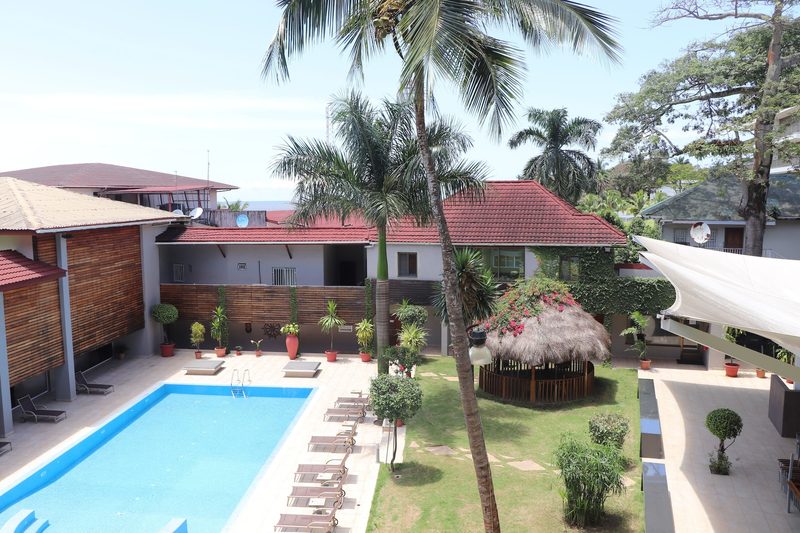
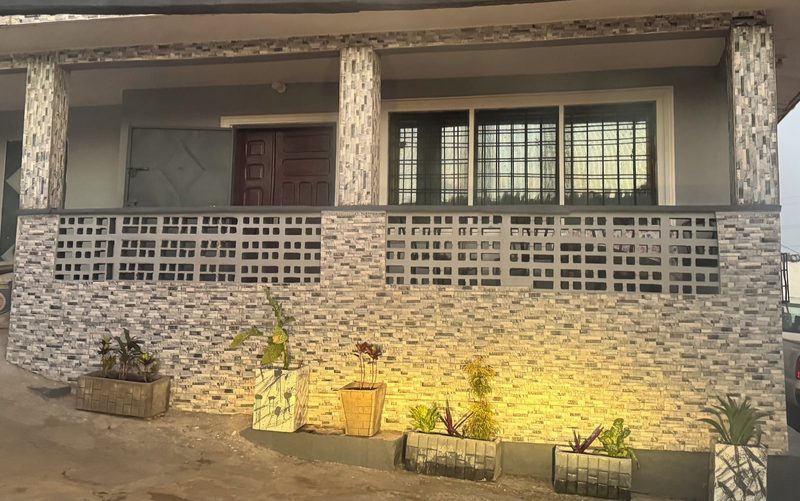
Where to Stay in Monrovia in November
Hand-picked hotels across price tiers for November travellers.
Public Holidays in November
Dates that affect opening hours, transport and crowds
Thanksgiving Day
Observed nationwide as a public holiday.
William V. S. Tubman's Birthday
Observed nationwide as a public holiday.
Thanksgiving Day
Observed nationwide as a public holiday.
William V. S. Tubman's Birthday
Observed nationwide as a public holiday.
Thanksgiving Day
Observed nationwide as a public holiday.
William V. S. Tubman's Birthday
Observed nationwide as a public holiday.
Packing Checklist
Bookmark this page — your progress is saved between visits
Need the full list with shopping links?
Climate-specific gear, brand recommendations, and what to leave at home.
View Monrovia Packing List →Essential Tips
Insider knowledge and common pitfalls to avoid
Insider Knowledge
Liberian English sounds like English but follows its own rules, and your ear will need a day or two to adjust. 'Small-small' means gradually, 'I coming' means I will be right back, and 'O' at the end of a sentence is emphasis, not a question. Never pretend you understand when you do not. Monrovians are patient with visitors who ask them to repeat themselves, and they appreciate the effort far more than a blank nod.
Cash is the only reliable payment method in Monrovia. Both Liberian dollars and US dollars circulate side by side, with US dollars generally preferred for larger transactions and Liberian dollars for market purchases and taxis. ATMs exist but are unreliable, after power outages. Arrive with US cash in small denominations and keep it distributed across multiple pockets and bags. Split it up.
Shared taxis are how Monrovia moves. Yellow sedans run fixed routes through the city, and you flag one down, state your destination, and squeeze in with three or four other passengers. The system has no published map. But any Monrovian can tell you which route to take. Sit in the back, agree on the fare before you get in, and know that the trip across town from Sinkor to Waterside takes roughly 30 to 45 minutes depending on traffic and road conditions. Ask locals.
November is when the Liberian diaspora starts booking flights home for the holidays, and conversations in Monrovia increasingly turn to family arrivals, renovation projects, and party plans. Engage with this, and you will find doors opening that stay closed to travelers who keep to the hotel circuit. Monrovians are social people, and showing genuine curiosity about family and community earns trust faster than anything else. Lean in.
Avoid These Mistakes
Assuming roads shown on digital maps are drivable. Many streets in Monrovia exist on maps but are unpaved, unmarked, or partially washed out after the rainy season. In November the worst flooding has passed. But entire routes through neighborhoods like Red Light or New Kru Town may still be impassable without a 4x4. Trust local drivers over navigation apps. Always.
Skipping malaria prophylaxis because the trip is short. Malaria transmission in Monrovia is year-round, and November's residual standing water from the rains means mosquito populations are near their annual peak. A three-day trip without medication is enough to contract it, and symptoms can appear weeks after you leave. Start your prophylaxis before arrival and finish the full course. Non-negotiable.
Photographing people, military installations, or government buildings without asking. Monrovians are generally warm and willing to pose for photos if you ask. But pointing a camera at strangers in the market or at any structure that looks official can create problems quickly. The civil wars ended in 2003, but sensitivities around surveillance and documentation persist. Ask first. Always.
Short on time? See day trips around Monrovia on GetYourGuide.
Ready to plan your trip to Monrovia?
Now that you've got the research covered, here's where to go next.
Explore More Activities in Monrovia
Didn't see anything interesting yet?
Browse Viator's full catalog of tours, day trips, food experiences, and private guides in Monrovia.
See All Monrovia Tours on Viator