Things to Do in Monrovia in July
July weather, activities, events & insider tips
Low Season · Budget Friendly
July Weather in Monrovia
Long-run averages for July
80°F (27°C)
High Temp
73°F (23°C)
Low Temp
31.4 inches (798 mm)
Rainfall
86%
Humidity
10
Sunny-Day UV
⚠ Monrovia receives nearly 800 mm (31.4 inches) of rain in July, one of the wettest months of its rainy season. Roads flood regularly, the highway between the airport and the city center, and unpaved streets in neighborhoods like West Point and Red Light become impassable during heavy downpours. Plan for significant travel delays.
⚠ July is peak malaria transmission season due to extensive standing water and aggressive mosquito breeding. Anti-malarial prophylaxis is essential, not optional. Bring DEET-based repellent and sleep under a treated mosquito net every night.
⚠ Atlantic surf along Monrovia's coast carries dangerous rip currents that intensify during the rainy season. Multiple drownings occur annually. Never enter the water without confirming conditions with locals, and avoid swimming alone or after dark.
Making the most of July in Monrovia? Browse tours and activities in Monrovia on GetYourGuide.
Is July Right for You?
Weigh the advantages and considerations before booking
Advantages
- + July 26 is Liberia's Independence Day. Monrovia hosts the country's biggest celebration. Parades roll down Broad Street. Drumming circles shake the ground in Waterside. The citywide energy defies replication. Dry season cannot match this. Come now to understand Liberia. Photographs alone will not suffice.
- + Accommodation rates hit their annual low. Guesthouses in Sinkor and Mamba Point open up. These fill fast from November through March. July brings genuine availability. Negotiate multi-night stays on arrival. No need to book weeks ahead. The economics favor July visitors. December through April costs substantially more.
- + Monrovia's landscape turns deep green. The bush along Robertsfield Highway corridor saturates. Mangroves line the Mesurado River. Palms edge UN Drive. Harmattan haze lifts. The parched brown fades. July reveals a different city. Cloud cover softens the light. Everything looks transformed.
- + Visitor numbers drop in July. Providence Island sits empty. The Centennial Pavilion welcomes you alone. The National Museum on Broad Street has no lines. Locals talk longer. Market vendors have time. The city opens up. Crowds obscure this. Solitude reveals it.
Considerations
- − Rain defines July in Monrovia. Nearly 800 mm (31.4 inches) falls monthly. When it comes, it comes hard. Sheets of water drench everything. Unpaved roads in West Point flood fast. Red Light becomes ankle-deep within minutes. Flexibility matters. Optimism does not.
- − Roads deteriorate fast. The 56 km (35 miles) to Roberts International Airport stretches endlessly. Low-lying sections flood. January's manageable potholes become axle-deep pools. Transit time doubles. Budget extra for everything. Delays are certain. Patience is required.
- − Beach operations toward Buchanan scale back. Some close entirely. St. Paul River boat excursions cancel suddenly. Water levels rise without warning. Specific water activities face risk. July demands flexibility. Gambling on weather fails. Choose another month for certainty.
Settled on July? Compare hotel prices in Monrovia for your dates on Trip.com.
Best Activities in July
Top things to do during your visit
Providence Island Historical Walking Tours
Providence Island marks where Monrovia began. The Mesurado River mouth holds this spit of land. Freed African Americans landed here in 1822. American Colonization Society ships brought them ashore. Stone buildings crumble now. Cemetery markers weather smooth. July humidity wraps thick. Salt and river mud fill every breath. Slow walks reward here. Local guides know family names carved in foundations. July rain keeps crowds away. You will have the ruins alone. Overcast skies beat dry season glare. Photography improves. Morning visits from 8 to 11 AM catch dry windows. Allow two to three hours. Walk the full island. Include the adjacent waterfront.
Booking Tip: Arrange guides through guesthouses. Licensed cultural operators work too. Book a few days ahead. July is slow season. Availability stays open. Knowledgeable guides matter. Thirty minutes becomes three hours. Education replaces wandering. Current options appear below.
Waterside Market and West Point Food Exploration
Waterside Market never closes. Corrugated tin roofs become percussion. Raindrops hammer overhead. Vendors shout below. Dried fish, palm oil in recycled bottles, bitter ball, warm country rice fill the stalls. Smells overwhelm. Woodsmoke hits first. Fermented cassava follows. Ripe papaya adds sweetness. Atlantic iodine lingers underneath. West Point peninsula packs tight. This is where Monrovia eats honestly. Palm butter soup covers fufu. Pepper soup with goat burns clean. Jollof rice simmers in blackened pots. Charcoal fires everywhere. July mornings work best. Go 7 to 11 AM. Full volume reigns. Heat has not peaked.
Booking Tip: Food-focused walking guides change everything. Hovering becomes eating. Sitting down matters. Cultural experience operators book these. Ask your accommodation too. Personal vendor connections help. Two to three hours fits. Rush and you miss it.
Independence Day Celebrations and Broad Street Parade
July 26 belongs to Monrovia alone. The Broad Street parade starts mid-morning. Marching bands lead. School groups wear pressed uniforms. Military units follow. Dance troupes from fifteen counties perform. Drumming carries blocks away. Ashmun Street holds the Centennial Pavilion. Built for the hundredth anniversary, it gathers crowds. Political speeches mix with gospel. Palm oil fries street snacks nearby. Energy runs genuine. Tourist festivals cannot match this. Evening brings block parties. Congo Town, Sinkor, Paynesville all host. Speakers stack head-high. Hipco and gbema pump until small hours. Bass reverberates two streets away. Time your trip around this day. No other compares.
Booking Tip: No booking required. Parades and celebrations are free. Position along Broad Street near the old Masonic Temple. Arrive by 9 AM. Secure your vantage point. Reach Monrovia two days early. Settle in first. Airport road congestion worsens around the holiday. Plan for delays.
Rubber Plantation and Harbel Day Trips
The massive rubber plantation east of Monrovia near Harbel, one of the largest in the world, operating since the 1920s, stretches for thousands of hectares in well spaced rows of rubber trees that vanish into fog on July mornings. The air under the canopy smells of wet latex and decomposing leaves. The sound is almost nothing: just rain dripping through layers of green. Watching tappers work the trees at dawn, the precise diagonal cuts, the white sap collecting in cups tied below, is quietly mesmerizing. The plantation also sits near the Farmington River, where the bridge offers views of swollen July water running fast and copper-brown. The drive from central Monrovia takes about ninety minutes in dry conditions but can stretch to two and a half hours on flooded July roads. Leave early.
Booking Tip: Arrange transport and access through your accommodation or a licensed local tour operator several days in advance. The plantation is not a public attraction in the conventional sense. Having a guide who can navigate entry and context is essential. Plan for a full day including travel time.
Coastal Beach Excursions Along the Highway Corridor
The beaches southeast of Monrovia along the road toward the airport, stretches of wide, brown-gold sand backed by coconut palms and the occasional open-air bar with a zinc roof, are not postcard beaches in the turquoise-water sense. The Atlantic here is rough. The undertow is serious. In July the water runs grey-green under overcast skies. That is precisely the appeal for a certain kind of traveler: you get kilometers of empty shoreline, the roar of West African surf, and the warm humid wind that smells of salt and coming rain. Swimming requires genuine caution. Locals will tell you which sections are safer, and you should listen. Wading and walking are fine. The beach bars serve cold Club beer and grilled fish pulled that morning from the surf, and the charcoal smoke mixing with ocean spray is one of Monrovia's most distinct sensory combinations. Go in the morning when skies tend to hold.
Booking Tip: Hire a driver for the day rather than relying on shared taxis, in July when road conditions are unpredictable. Your guesthouse can arrange reliable transport. No advance booking needed for the beaches themselves. Just show up, find a spot, and negotiate grilled fish when you are hungry.
Where to Stay in Monrovia in July
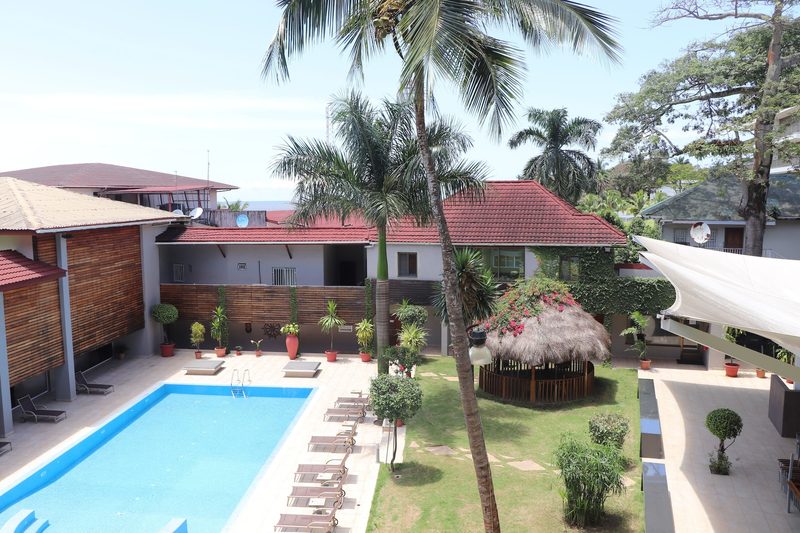
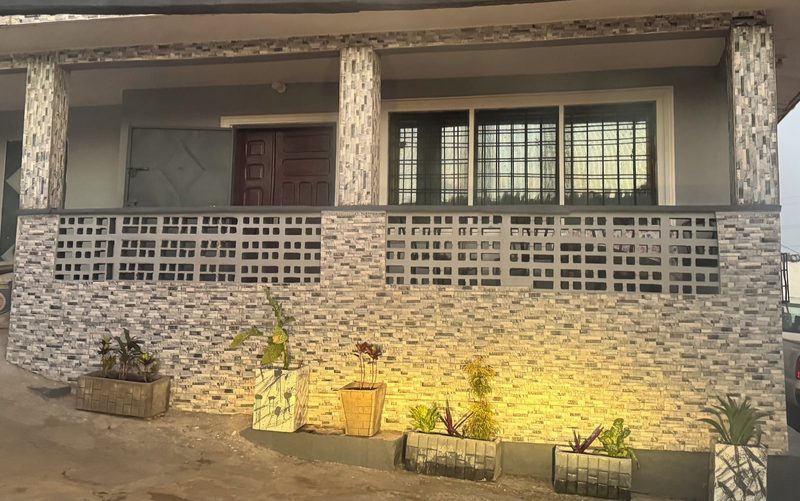
Hand-picked hotels across price tiers for July travellers.
Public Holidays in July
Dates that affect opening hours, transport and crowds
Independence Day
Observed nationwide as a public holiday.
Independence Day
Observed nationwide as a public holiday.
Packing Checklist
Bookmark this page — your progress is saved between visits
Need the full list with shopping links?
Climate-specific gear, brand recommendations, and what to leave at home.
View Monrovia Packing List →Essential Tips
Insider knowledge and common pitfalls to avoid
Insider Knowledge
Monrovia runs on two currencies simultaneously, US dollars and Liberian dollars, and the exchange rate fluctuates daily. Street vendors, taxi drivers, and market sellers all quote in one or the other depending on the transaction size. Ask which currency a price is in before you agree to anything, every single time. Assume nothing.
The road between Roberts International Airport and central Monrovia floods badly in July, and what should be a forty-five-minute drive can become a three-hour crawl. Arrange airport pickup through your accommodation before you land. Do not plan to find transport on arrival, if your flight gets in after dark. Many seasoned travelers to Monrovia stay one night near the airport on arrival and drive into the city the next morning.
Power and water infrastructure in Monrovia is still inconsistent. Guesthouses with their own generators and water tanks are not a luxury. They are a practical necessity. Ask about backup power before you book, and confirm that the generator runs through the night, not just during business hours.
July 26 Independence Day transforms the city. But it also means government offices, banks, and many businesses close for the day and sometimes the day before or after. If you need official paperwork, visa extensions, or banking services, handle them well before the 25th. The celebratory mood is infectious. But logistics grind to a halt.
Avoid These Mistakes
Underestimating the rain. Travelers from other tropical destinations assume Monrovia's July rains resemble afternoon showers in Bangkok or Bali, brief, predictable, manageable. They are not. Nearly 800 mm (31.4 inches) in one month means sustained downpours that can last hours and flood roads within minutes. Build genuine flexibility into every day.
Swimming in the Atlantic without local guidance. The surf along Monrovia's coast carries a powerful undertow that has caught experienced swimmers off guard. The water looks calm between sets. But rip currents pull hard and fast. Always ask locals which sections are safer on that particular day, and never swim alone.
Arriving without anti-malarial medication. Malaria is endemic in Liberia and July's wet season is peak mosquito breeding time. This is not optional travel-health advice, it is essential. Consult a travel medicine specialist before departure and bring a full course of prophylaxis. Bring your own mosquito net as a backup even if your accommodation provides one.
Short on time? See day trips around Monrovia on GetYourGuide.
Ready to plan your trip to Monrovia?
Now that you've got the research covered, here's where to go next.
Explore More Activities in Monrovia
Didn't see anything interesting yet?
Browse Viator's full catalog of tours, day trips, food experiences, and private guides in Monrovia.
See All Monrovia Tours on Viator